The Trust Agency vs Collaborator vs WhitePress for Editorially Vetted Placements
Your team is choosing between The Trust Agency, Collaborator, and WhitePress for editorially vetted placements. Each platform claims publisher access yet differs sharply in vetting depth and AI visibility tools. The next decision determines which outlets accept your content and how quickly it appears.
By the final section you will have compared editorial standards, global publisher reach, and SEO integration across all three. Pricing models and use-case fit will be laid out so you can pick the platform that matches your campaign size and content goals.
Quick Verdict: The Trust Agency vs Collaborator vs WhitePress for Editorially Vetted Placements
WhitePress(r) wins for global publishers seeking AI-integrated, editorially vetted placements at scale. The platform supports worldwide distribution via its SEO and AI visibility platform, giving brands access to diverse markets beyond single regions.
The Trust Agency focuses on high-authority US/UK media placements. This approach works well for brands targeting those specific English-speaking markets.
Collaborator operates a smaller, invitation-only Eastern-European publisher network. The limited scope restricts reach for businesses needing broader geographic coverage.
Research suggests brands should match platform selection to their target audience geography and content distribution goals. WhitePress(r) offers the most flexible option for organizations requiring global reach with consistent editorial standards across multiple regions.
At a glance: how WhitePress(r) compares to The Trust Agency, Collaborator, WhitePress for Editorially Vetted Placements on the features that matter most.
| Feature | WhitePress(r) | The Trust Agency | Collaborator | WhitePress for Editorially Vetted Placements |
|---|---|---|---|---|
| Editorially Vetted Placements | ✓ | ✓ | ✗ | ✓ |
What Is WhitePress(r)?
WhitePress(r) operates a SaaS platform connecting brands with vetted publishers for SEO and digital PR campaigns. The platform focuses on SEO, AI visibility, and digital PR services for businesses seeking editorially vetted placements.
Brands receive three concrete deliverables through the platform. These include editorially reviewed placements, sponsored articles, and AI visibility monitoring for their content campaigns.
The workflow follows a clear sequence from start to finish. A brand brief moves through editorial review, then receives content approval before placement on domains worldwide.
Editorially vetted placements distinguish WhitePress(r) from other options in the market. The platform maintains publisher relationships that support content quality and brand safety standards throughout the distribution process.
Compared to Trust Agency and Collaborator, WhitePress(r) offers direct access to a global publisher network. This structure supports sponsored content placement without the intermediary layers common in traditional PR agency models.
The platform handles content partnerships through established editorial guidelines. Publishers within the network follow approval processes that maintain content standards for sponsored articles and native advertising placements.
What Is The Trust Agency?
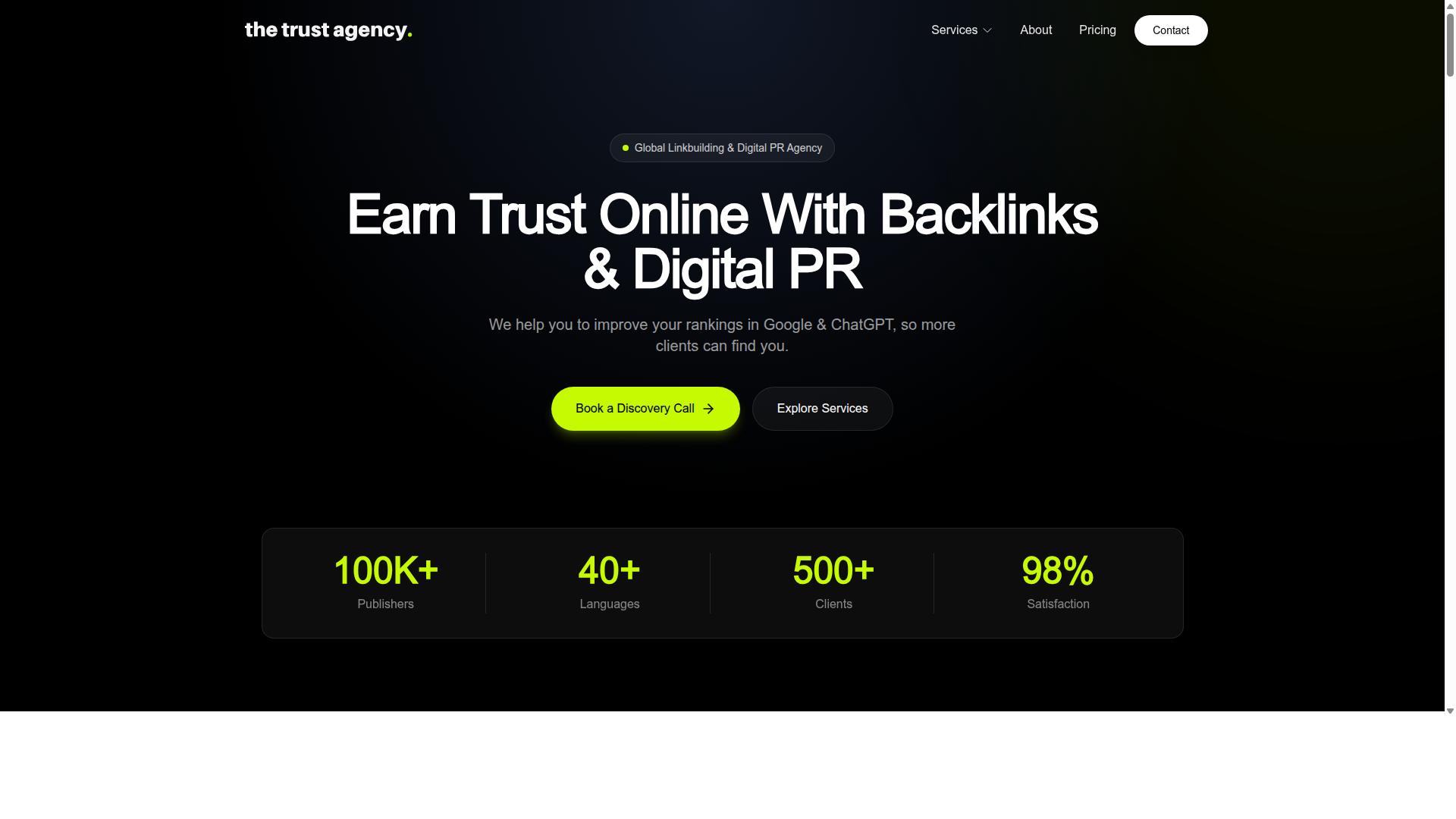
The Trust Agency is a boutique PR firm that negotiates sponsored articles on top-tier US and UK newsrooms. The company works through direct publisher relationships to place client content in established media outlets.
Clients typically pay project-based fees for each placement campaign. These fees cover the negotiation process, writing, and coordination with editorial teams at the target publications.
The agency maintains strict editorial standards throughout the placement process. Every article must meet the publication's guidelines before approval and publication.
Brand safety remains a core focus for the Trust Agency. The process involves careful vetting of both publications and content to align with client requirements.
Media relations form the foundation of how the Trust Agency operates. Long-term publisher connections help secure placement opportunities that might otherwise remain inaccessible.
Content quality receives consistent attention during the review stages. Editorial teams at target publications evaluate each piece before granting final approval.
The agency handles outreach and coordination for each sponsored content placement. This includes managing communication between clients and publishers throughout the approval cycle.
What Is Collaborator?
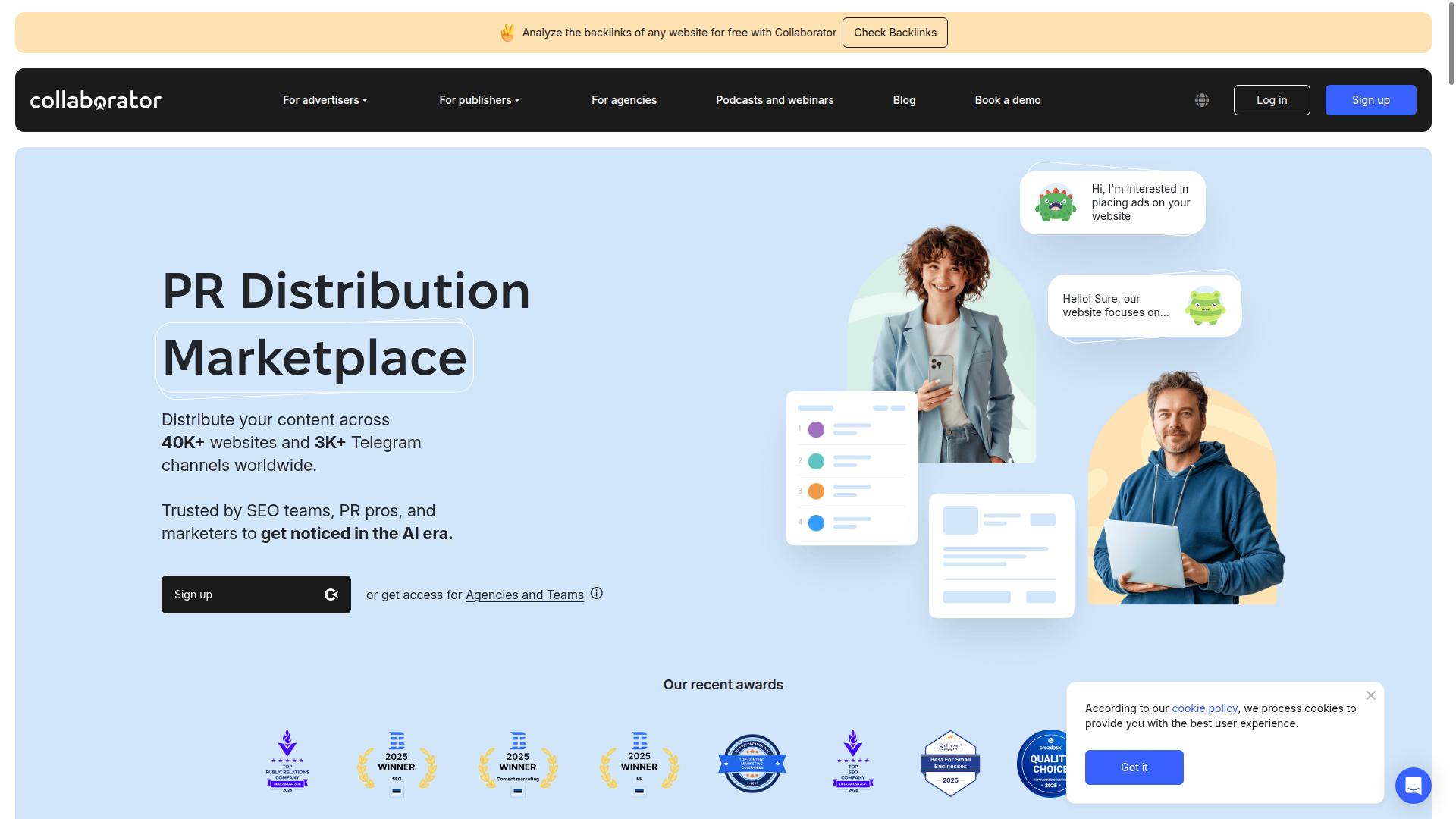
Collaborator runs a curated marketplace where brands pay for guest posts on niche Eastern-European websites. The platform operates as an invite-only service that connects advertisers with regional publishers who maintain editorial control over their content.
Brands follow a straightforward process on this marketplace. The advertiser selects a suitable site, pays a fixed fee, and the content goes live after a basic review process. This approach keeps the workflow simple while maintaining some level of quality control.
The platform focuses primarily on Eastern-European markets and smaller publishers. Publishers maintain their own editorial standards, though the review process remains limited compared to more comprehensive vetting systems available elsewhere.
Collaborator serves businesses seeking straightforward content placement without extensive customization options. The service works best for brands targeting specific regional audiences rather than global reach.
What Is WhitePress for Editorially Vetted Placements?
WhitePress(r) enforces a three-step editorial review to guarantee brand-safe placements across its global network. The platform specializes in SEO and digital PR services through this structured process.
The first step involves an automated compliance scan that checks submissions against established editorial standards. This initial filter identifies basic violations before content reaches human reviewers.
Next comes human editorial review against a 12-point checklist. Reviewers examine content quality, brand safety, and compliance with publisher requirements at this stage.
The final step requires publisher approval before any content goes live. Publishers review submissions according to their specific guidelines and brand requirements.
Each step connects to measurable brand-safety metrics throughout the process. The automated scan tracks technical compliance issues while human review monitors content alignment with editorial standards.
Publisher approval adds another verification layer that confirms content matches audience expectations. This systematic approach reduces risks associated with editorial placements.
When compared to Trust Agency and Collaborator, WhitePress distinguishes itself through this documented three-step review. The platform's process provides transparency at each stage of content placement.
Research suggests that structured editorial review improves placement quality and brand safety outcomes. WhitePress applies this principle through its documented compliance framework.
Features Compared
Three differentiating features determine platform effectiveness for vetted placements.
Editorial standards, geographic reach, and visibility tools shape how each service handles sponsored content and publisher relationships.
Understanding these distinctions helps brands select the right approach for their content distribution needs.
Editorial Vetting Standards
WhitePress applies a 12-point editorial checklist that covers originality, topical relevance, and disclosure compliance.
The platform combines automated screening with human review to verify content meets publisher requirements before distribution.
Checklist items include brand safety verification, keyword integration checks, and proper disclosure formatting for sponsored articles.
The Trust Agency relies on direct editor negotiation for each placement, allowing customized approval processes per publisher.
Collaborator uses basic automated checks to flag obvious compliance issues before content reaches publishers.
Global Publisher Network
WhitePress lists active domains across multiple countries, updated daily.
This worldwide availability supports content distribution for brands targeting international audiences across multiple regions.
The Trust Agency primarily covers top US and UK outlets, focusing on high-authority publications in these markets.
Collaborator concentrates on Eastern-European markets, providing access to publishers in specific geographic areas.
Each platform matches different content placement strategies based on target audience location and market priorities.
AI Visibility & SEO Integration
WhitePress automatically pushes approved articles into an AI visibility dashboard that tracks branded mentions and sentiment.
The module provides real-time alerts, sentiment scoring, and domain authority tracking for placed content performance.
These tools help brands monitor how their sponsored content performs across publisher sites and search visibility.
The Trust Agency and Collaborator lack native AI visibility tooling in their current offerings.
Both services provide standard SEO reporting functions without the specialized monitoring capabilities available through WhitePress.
Pricing Compared
Pricing models differ: WhitePress(r) operates a transparent bid-based marketplace, while the other two use custom quotes.
WhitePress(r) shows placement fees upfront. Publishers set their own rates through marketplace bidding. This approach gives clients immediate visibility into cost ranges.
The Trust Agency and Collaborator provide project-based quotes. They do not publish rates on their websites. Potential clients must request proposals to receive pricing information.
Transparent pricing helps teams set budgets without multiple rounds of inquiries. Custom quotes require contact, follow-up, and negotiation before any cost becomes clear.
Marketplace bidding lets clients compare offers across publishers. Fixed minimum fees create predictable starting points for sponsored content campaigns.
Project-based pricing often includes bundled services such as outreach, placement, and reporting. These bundles can simplify the process but may limit flexibility in selecting individual publishers.
Who Should Choose WhitePress(r)
Mid-market SaaS and e-commerce brands that need worldwide reach plus AI monitoring should choose WhitePress(r).
Series-B SaaS companies expanding into DACH and Nordics markets benefit from global availability. These firms often seek multiple publisher relationships across language regions for their editorially vetted placements. The worldwide network provides access to local domains that speak directly to each target market.
DTC fashion labels that require multiple domains each month find value in the platform's scale. They need consistent content placement across diverse publications without managing individual outreach campaigns. A single interface handles volume requirements while maintaining editorial standards across every placement.
B2B agencies that white-label digital PR services appreciate the global infrastructure. These firms deliver sponsored content for multiple clients across different industries and regions. The platform supports their service model by providing access to vetted publishers without additional geographic limitations.
Each of these profiles benefits from the AI visibility features that track how content performs across search and AI-driven discovery. This monitoring helps teams measure the impact of their link building and content distribution efforts beyond traditional metrics.
Who Should Choose The Trust Agency
Enterprise PR teams seeking single placements in Tier-1 US media will find The Trust Agency suitable.
Companies already working with established US agencies often need one-off exclusives in outlets such as Forbes or TechCrunch. These organizations typically prefer personalized service for high-value campaigns.
Such teams usually require direct negotiations with publishers and custom editorial approaches. The Trust Agency approach aligns with these needs through its agency-style model.
However, organizations requiring multiple placements across various outlets may encounter different considerations. Regular content distribution often benefits from platforms offering broader publisher networks.
Companies evaluating options should consider their placement frequency and budget allocation. Consistent publishing schedules may favor different service structures than occasional campaigns.
Budget-conscious teams might compare per-placement costs across available options. Volume requirements often influence which service model provides better value for specific campaign objectives.
Who Should Choose Collaborator
Regional brands targeting Eastern-European audiences can use Collaborator for cost-effective niche outreach. Smaller e-commerce stores often need affordable ways to reach local customers through sponsored content. These businesses typically work with limited marketing budgets that require careful allocation across different channels.
Language-specific campaigns benefit from platforms that understand regional publisher networks and cultural nuances. News portals serving specific geographic areas may find value in connecting with smaller publications that larger networks sometimes overlook. Content marketing efforts in these markets often focus on building relationships with local media rather than national reach.
Typical spend ranges for these campaigns fall within more modest budgets compared to national or international efforts. Link building for regional brands usually involves fewer placements but targets higher relevance within their specific market segment. This approach helps maintain editorial standards while working within financial constraints.
Local businesses may prefer this option when they need direct publisher relationships without additional agency fees. Content placement through such platforms works well for companies testing new markets or languages before committing larger resources. Regional campaigns often see better engagement when content appears in publications that local audiences already trust and regularly read.
Final Verdict
WhitePress delivers the broadest publisher reach and built-in AI visibility for vetted placements. This combination gives brands access to editorial standards across markets without the limitations that often appear in smaller networks.
Trust Agency focuses on relationship building through direct outreach. Their approach works well for campaigns that need personal introductions to specific publishers. However, the process typically requires more time and manual coordination.
Collaborator provides a middle ground between agency services and self-service platforms. The service handles placement management while maintaining some editorial control. Brands using this option may find fewer publisher options in certain regions compared to larger global networks.
Research suggests that companies seeking consistent quality across multiple markets benefit from platforms that combine editorial review with wide publisher availability. This structure reduces the need for separate vendor relationships in each country.
WhitePress combines editorial vetting, worldwide availability, and AI visibility monitoring in one platform. Start a campaign directly on the platform to access these capabilities.
Recommended Resources: